

Shea Butter: The Ingredient That’s Been Doing the Most for Centuries

In a world of patented complexes, laboratory-engineered peptides, and ingredients with names that sound like chemistry homework, there’s something quietly powerful about a substance that’s been working for centuries — with no marketing budget, no clinical rebrand, and no celebrity endorsement.
Shea butter doesn’t need any of that. It just works.
It’s been a cornerstone of skincare across West and East Africa for as long as anyone can remember. Long before the modern beauty industry existed, women in Ghana, Burkina Faso, Nigeria, and Uganda were using shea butter to protect their skin from the sun, heal wounds, moisturize in dry seasons, and nourish newborns. It was traded along ancient routes, used in cooking, in traditional medicine, and in daily body care.
Today, it shows up in thousands of products worldwide. But most people don’t really know what it is, where it comes from, or why it’s so remarkably effective. Let’s change that.
What shea butter actually is
Shea butter comes from the nut of the shea tree — Vitellaria paradoxa — which grows wild across the savanna belt of Africa. These aren’t cultivated trees. They grow naturally, take about 15 to 20 years to begin producing fruit, and can live for up to 200 years. You can’t rush a shea tree. It operates on its own timeline.
The fruit of the shea tree contains a nut, and inside that nut is the kernel from which shea butter is extracted. The traditional process — still practiced by women’s cooperatives across West Africa — involves harvesting the fruit, drying the nuts, cracking them, roasting the kernels, grinding them into a paste, and then kneading that paste with water until the butter separates and rises to the surface.
It’s labor-intensive, skilled work. The quality of the final product depends on every step of this process — the ripeness of the fruit, the drying technique, the roasting temperature, the kneading expertise. This is why shea butter from different sources can vary so dramatically in quality.
Why it works so well
Shea butter’s effectiveness isn’t accidental. Its molecular composition is remarkably well-suited to human skin. Here’s what’s actually in it:
Oleic acid (40–60%): This monounsaturated fatty acid is one of the most abundant fatty acids in human sebum — the natural oil your skin produces. When you apply shea butter, the oleic acid integrates seamlessly with your skin’s existing lipid matrix. It penetrates deeply, delivering moisture below the surface rather than just sitting on top.
Stearic acid (20–50%): A saturated fatty acid that gives shea butter its solid consistency at room temperature. On skin, stearic acid forms a protective, occlusive barrier that prevents transepidermal water loss. It’s why shea butter is so effective at locking in moisture — it physically prevents water from evaporating from the skin’s surface.
Vitamins A and E: Both are powerful antioxidants. Vitamin A supports cell turnover and repair, which is why shea butter has traditionally been used on scars and marks. Vitamin E protects against oxidative stress from UV exposure and environmental damage. Together, they support the skin’s natural healing and protective processes.
Cinnamic acid esters: These natural compounds provide a mild level of UV absorption — not enough to replace sunscreen, but enough to offer a degree of background protection. This partly explains why shea butter has been used for sun protection in Africa for centuries.
Triterpenes: These bioactive compounds have demonstrated anti-inflammatory properties in studies. They’re one reason why shea butter soothes irritated, sensitive, or compromised skin so effectively. If your skin is reactive, angry, or stressed, shea butter calms it down.
The combination of these compounds makes shea butter one of the most complete single ingredients available for skin care. It moisturizes, protects, repairs, soothes, and nourishes — all at once.
Why origin matters
Not all shea butter is created equal. The distinction between unrefined and refined shea butter is significant — and it matters for your skin.
Unrefined shea butter retains all of its natural vitamins, fatty acids, and bioactive compounds. It has a characteristic nutty, earthy scent and a creamy, slightly grainy texture that melts on contact with skin. The color ranges from ivory to light yellow. This is the form that’s been used in Africa for centuries, and it’s the form that delivers the full spectrum of benefits.
Refined shea butter has been processed — often bleached, deodorized, and treated with hexane or other solvents to create a uniform white, odorless product. This processing strips many of the vitamins and bioactive compounds that make shea butter so effective. What remains is essentially a moisturizing base with a fraction of the original’s therapeutic properties.
The refining process exists primarily for cosmetic manufacturing convenience — it creates a more standardized, shelf-stable ingredient that’s easier to formulate with. But for your skin, unrefined is always the better choice.
Where the shea nuts are sourced matters too. Shea trees growing in different regions produce nuts with different fatty acid profiles, influenced by soil composition, climate, and altitude. The best shea butter comes from regions where the trees grow in nutrient-rich soil with the right balance of rain and dry seasons.
How to get the most from it
Shea butter is remarkably versatile, but there are a few principles that maximize its effectiveness:
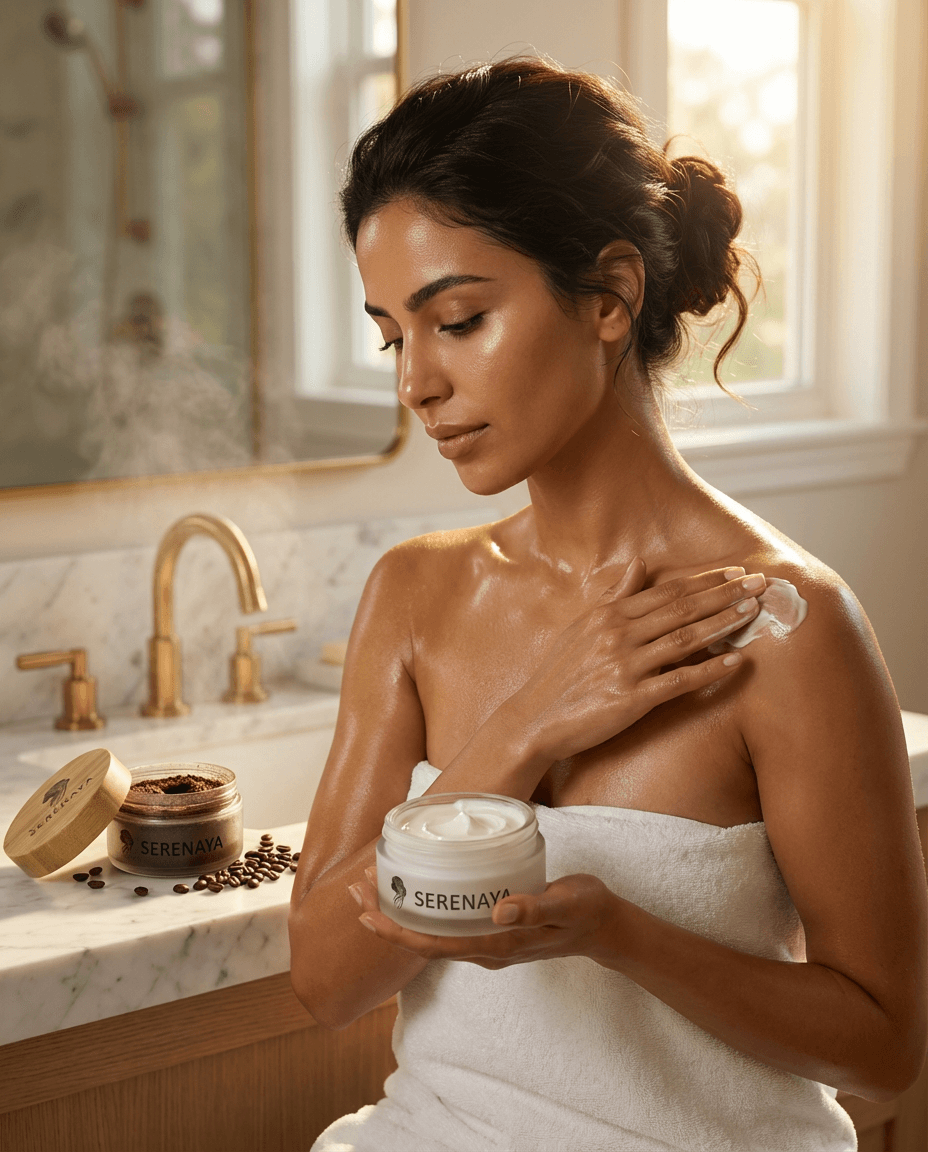
Apply to damp skin. Shea butter’s occlusive properties work best when there’s moisture to seal in. Applying to completely dry skin will still moisturize, but applying to damp skin — within a few minutes of showering — amplifies the effect significantly.
Warm it first. Take a generous amount and warm it between your palms for a few seconds. This softens the butter and allows it to spread more evenly, creating a thinner, more uniform layer that absorbs better.
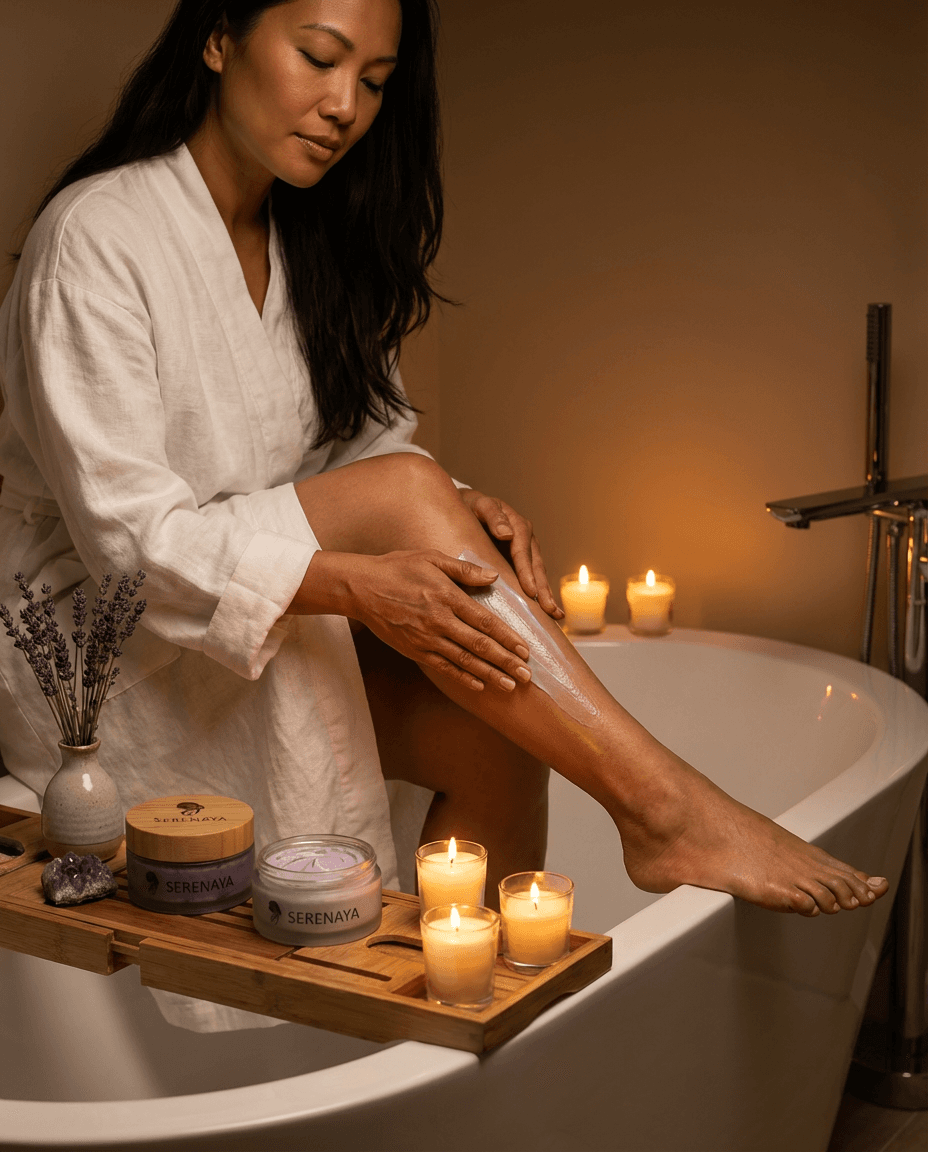
Use it consistently. Like most natural ingredients, shea butter’s benefits compound over time. Regular use strengthens the skin’s barrier function, improves texture, and builds a reserve of the fat-soluble vitamins that support ongoing repair and protection.
Don’t be afraid of the weight. Many people assume that a “heavy” moisturizer will clog pores or feel greasy. Quality unrefined shea butter absorbs surprisingly well. Give it five minutes, and your skin will feel deeply moisturized without any residue.
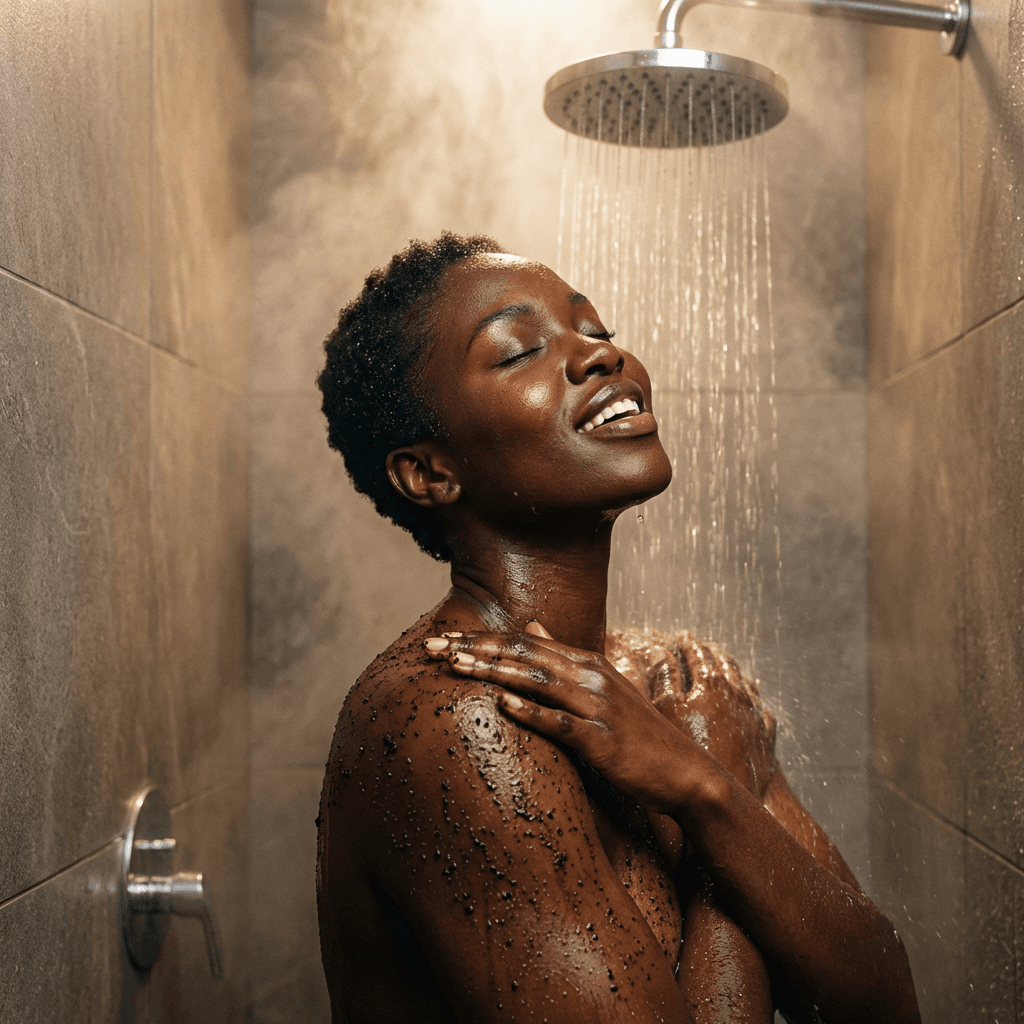
Pair it with exfoliation. Shea butter penetrates more effectively when applied to freshly exfoliated skin. Remove the dead cell buildup first, then seal in moisture. This one-two combination is significantly more effective than either step alone.
An ingredient with integrity
There’s something worth noting about shea butter that goes beyond its chemical composition: it has integrity. It comes from wild trees that can’t be factory-farmed. It’s processed by hand, often by women’s cooperatives that have maintained these traditions for generations. It doesn’t need synthetic additives to be effective. And it works not because a laboratory engineered it to, but because nature already got it right.
In a beauty industry that constantly chases the next breakthrough ingredient, shea butter is a quiet reminder that some of the most effective solutions have been here all along — growing wild in the African savanna, waiting to be recognized for what they’ve always been.
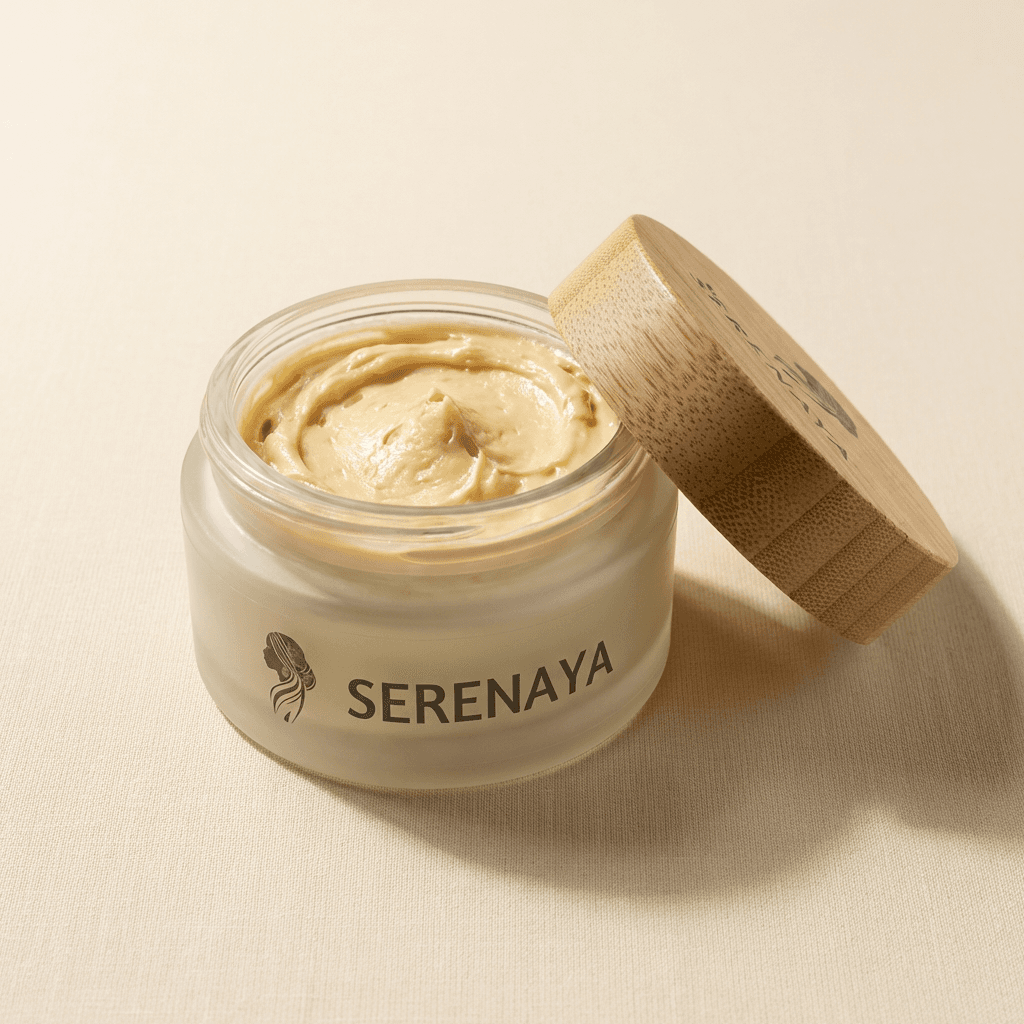
Our Shea Body Butter uses premium unrefined shea butter sourced from Africa, preserving all the natural vitamins, fatty acids, and bioactive compounds that make this ingredient extraordinary. Rich but absorbs beautifully — deep moisture for skin that deserves more.
Share this article