

Why Your Skin Feels Different in Hot Weather — and What It’s Actually Asking For
If you live somewhere warm — or if you’ve ever traveled from a cooler climate to a hot one — you already know this feeling. Your skin just... behaves differently. It might feel oilier, but somehow also tight. You might notice more breakouts, yet dry patches too. Your usual routine suddenly feels off.
You’re not imagining it. Heat and humidity genuinely change how your skin functions. And once you understand what’s happening beneath the surface, the solutions become surprisingly simple.
What heat really does to your skin
When temperatures rise, your body activates its cooling systems. You sweat more, your blood vessels dilate, and your sebaceous glands go into overdrive. This is all by design — your body is remarkably good at regulating temperature.
But here’s where things get complicated for your skin.
Increased sweat production changes your skin’s pH. That slightly acidic mantle that protects your skin from bacteria and environmental damage? It gets diluted. This is why many people experience more breakouts in hot weather — it’s not just about “oily skin,” it’s about a compromised barrier.
Meanwhile, higher humidity means more water vapor in the air. Your skin absorbs some of this moisture, which sounds like a good thing — and it can be, temporarily. But surface-level hydration without proper barrier support actually leads to increased transepidermal water loss (TEWL). Your skin pulls moisture in, but can’t hold onto it.
The result? That confusing combination of oiliness and dehydration that so many people experience in hot climates.
Air conditioning adds another layer to this. Moving between extreme outdoor heat and artificially cooled indoor spaces puts your skin through repeated cycles of expansion and contraction. The dry, recirculated air indoors strips moisture, while the humidity outside floods it back. Your skin never quite finds its equilibrium.
Why your current moisturizer might not be enough
Most lightweight moisturizers — the kind people instinctively reach for in warm weather — are humectant-heavy. They contain ingredients like hyaluronic acid and glycerin that attract water to the skin’s surface. In moderate climates, this works beautifully.
In hot, humid environments, it’s only half the equation.
What your skin actually needs in heat is an occlusive layer — something that locks moisture in and prevents it from evaporating. This is where many people go wrong. They think heavy moisturizers are for winter, but in reality, occlusive ingredients are exactly what prevents that cycle of absorb-and-lose that leaves skin perpetually dehydrated.
Shea butter is one of nature’s most effective occlusives. It creates a breathable barrier on the skin’s surface — not the heavy, pore-clogging kind you might imagine, but a lightweight seal that lets skin breathe while preventing moisture loss. It’s rich in oleic and stearic acids, which mirror the fatty acids naturally found in your skin’s barrier. And unlike petroleum-based occlusives, shea butter actively nourishes while it protects.
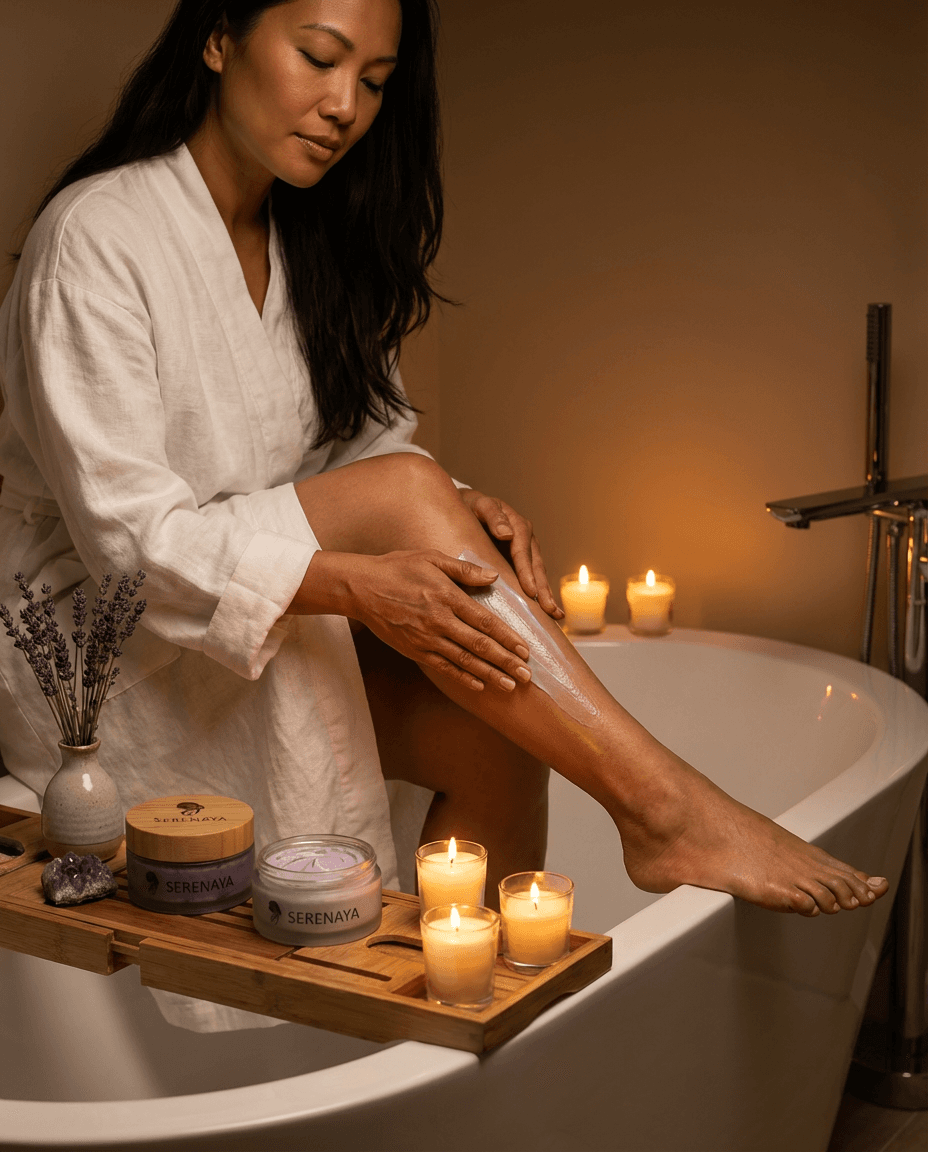
The key is timing. Apply your occlusive moisturizer to damp skin — right after a shower, before the water evaporates. This traps that moisture against your skin and gives the occlusive layer something to work with. Dry skin plus occlusive just seals in dryness.
The step most people skip
Here’s something that rarely gets talked about in the context of hot-weather skincare: exfoliation becomes more important, not less.
When you sweat more, dead skin cells, sebum, and environmental debris accumulate faster. Sunscreen, which you should absolutely be wearing, adds another layer. Without regular exfoliation, this buildup clogs pores, dulls your complexion, and actually prevents your moisturizer from penetrating effectively.
Think of it this way: you wouldn’t apply a beautiful oil finish to a piece of furniture without sanding it first. Your skin works the same way.
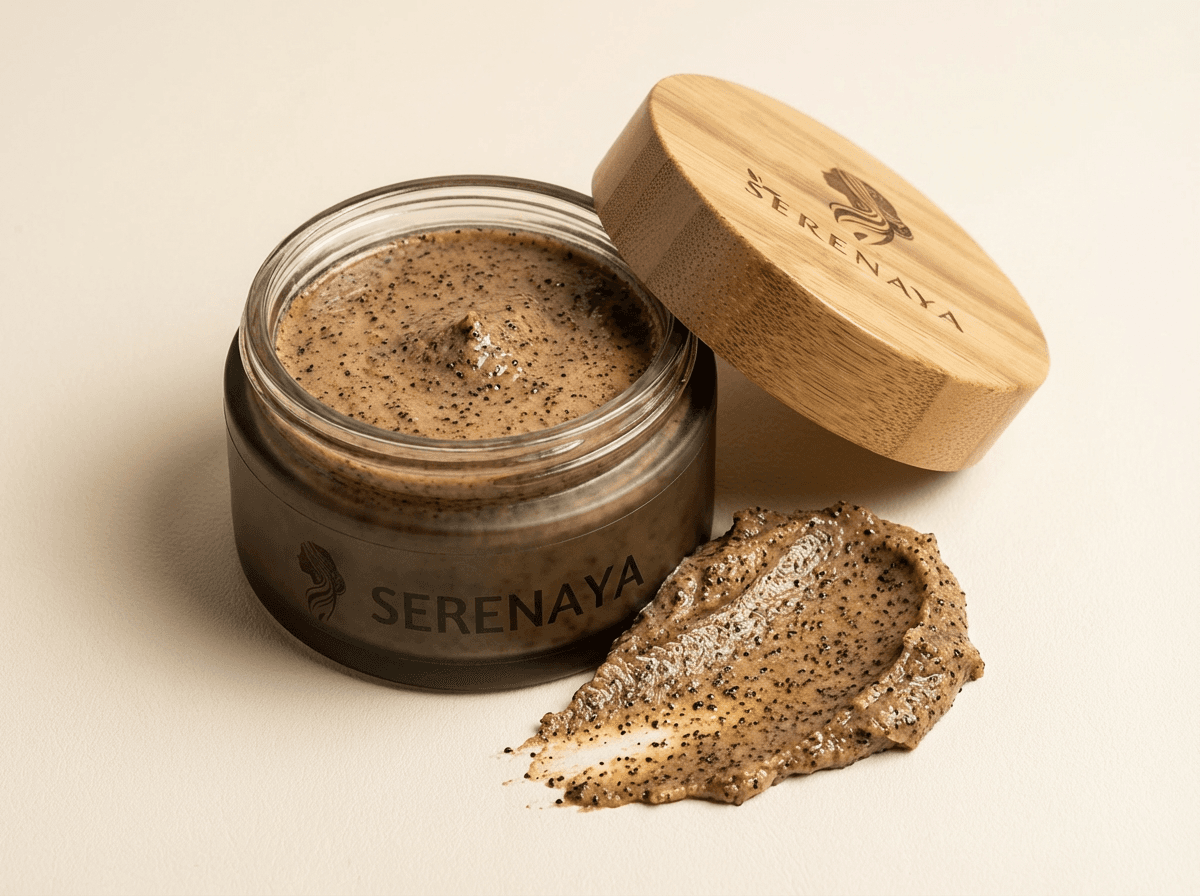
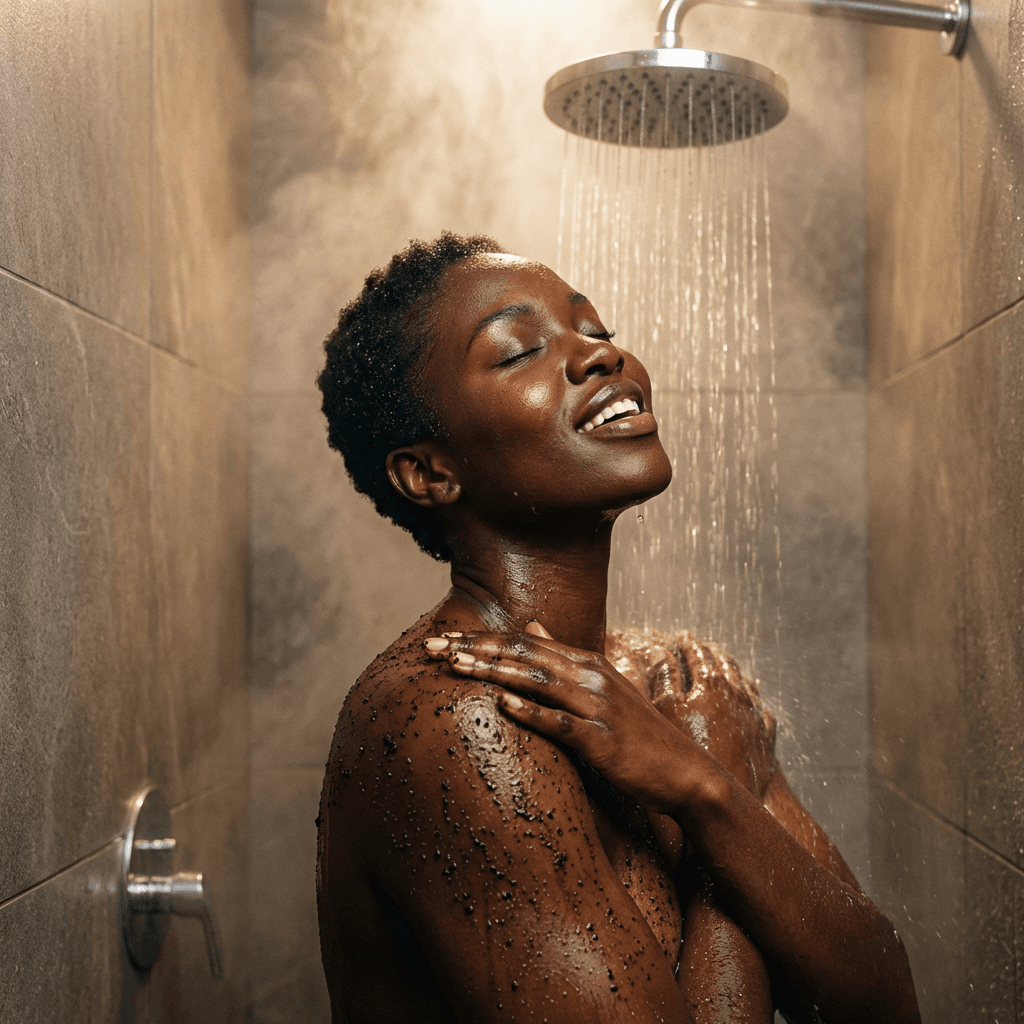
A good physical scrub — one with granules that are effective but not abrasive — clears away that surface layer and allows your moisturizer to actually reach the skin cells that need it. It also stimulates blood flow, which supports cell turnover and gives skin that natural, healthy radiance that no highlighter can replicate.
In hot weather, exfoliating two to three times per week strikes the right balance. Enough to keep pores clear and skin receptive, but not so much that you compromise the barrier you’re working to protect.
Small shifts, real results
You don’t need to overhaul your entire routine for hot weather. You need to adjust your approach:
Shower smarter. Lukewarm water, not hot. Hot showers strip your skin’s natural oils faster than anything else.
Exfoliate regularly. Two to three times per week, focusing on areas prone to buildup — shoulders, back, upper arms, and anywhere you notice roughness or dullness.
Moisturize on damp skin. Within two minutes of stepping out of the shower. This is non-negotiable if you want hydration that lasts.
Choose occlusives over humectants. Or better yet, combine both. A good shea butter provides the occlusive seal your skin is missing.
Don’t skip your body. Face skincare gets all the attention, but your body has skin too — and it’s exposed to the same heat, the same sweat, the same environmental stress.
The bottom line
Hot weather doesn’t mean your skin needs less care. It means your skin needs different care — smarter care. The same routine that serves you in winter will leave your skin confused and underperforming in summer.
Understanding what’s actually happening — the barrier disruption, the moisture cycling, the accelerated buildup — is the first step toward skin that genuinely thrives in the heat.
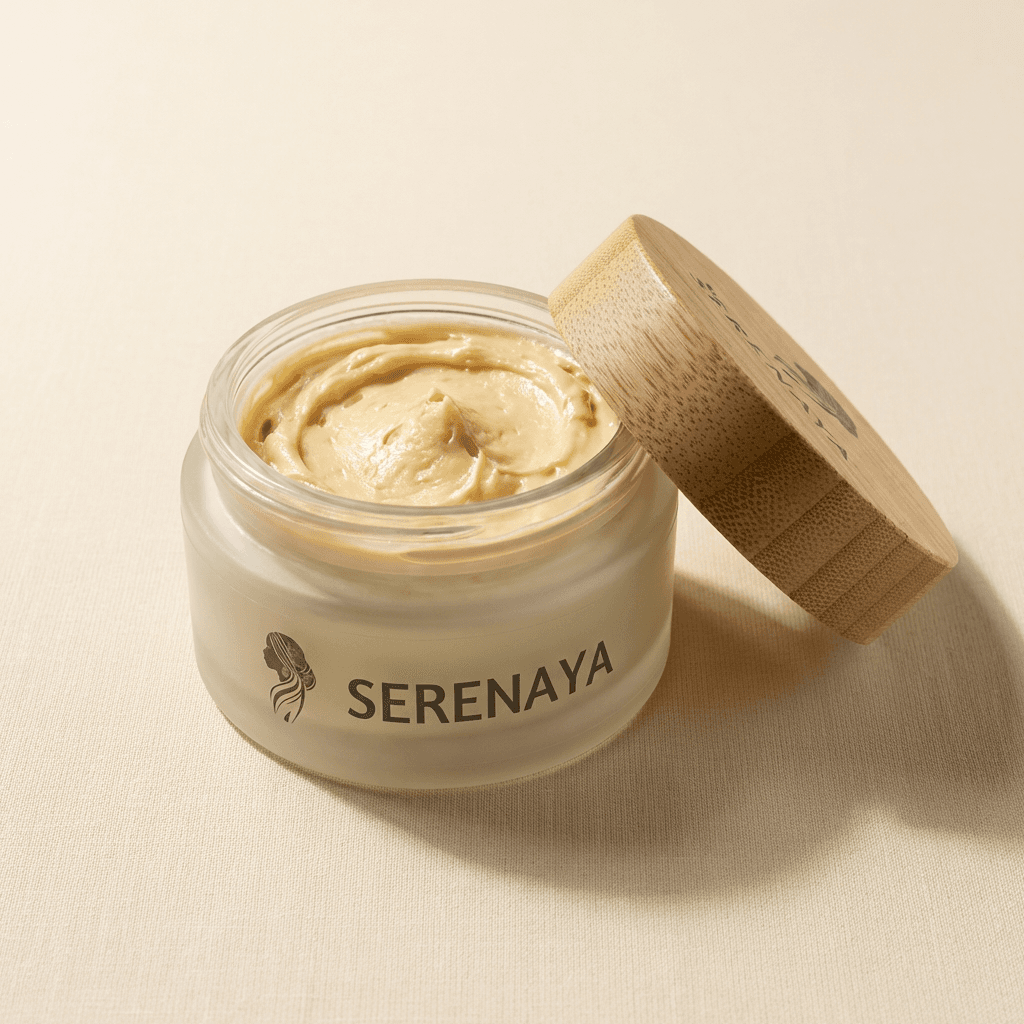
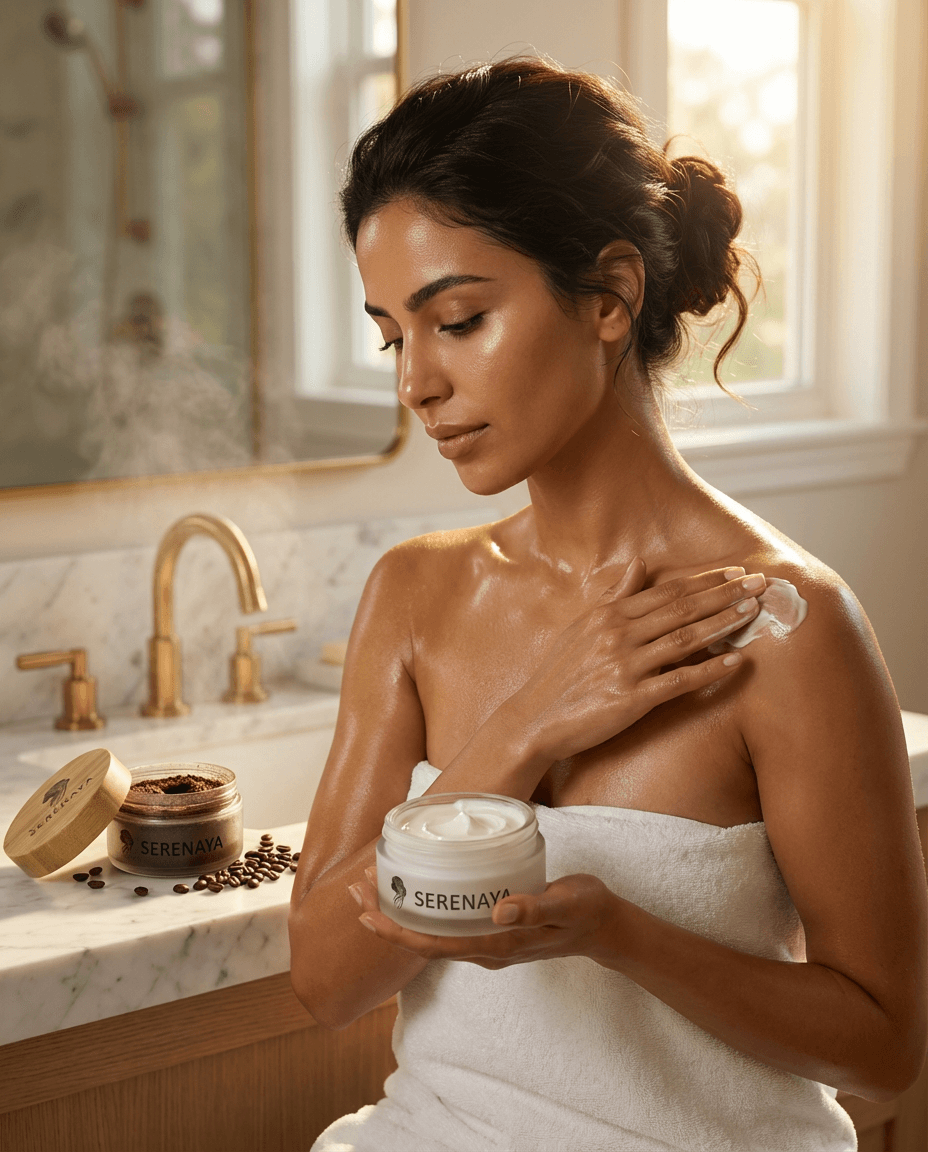
Ready to give your skin what it’s actually asking for? Our Shea Body Butter delivers the occlusive, nourishing barrier your skin needs in hot weather, while the Coffee Scrub clears the way for deep, lasting hydration. Together, they’re the Glow Ritual — and your skin will feel the difference from the first use.
Share this article